
Trekking the Bighorn Mountains, WY
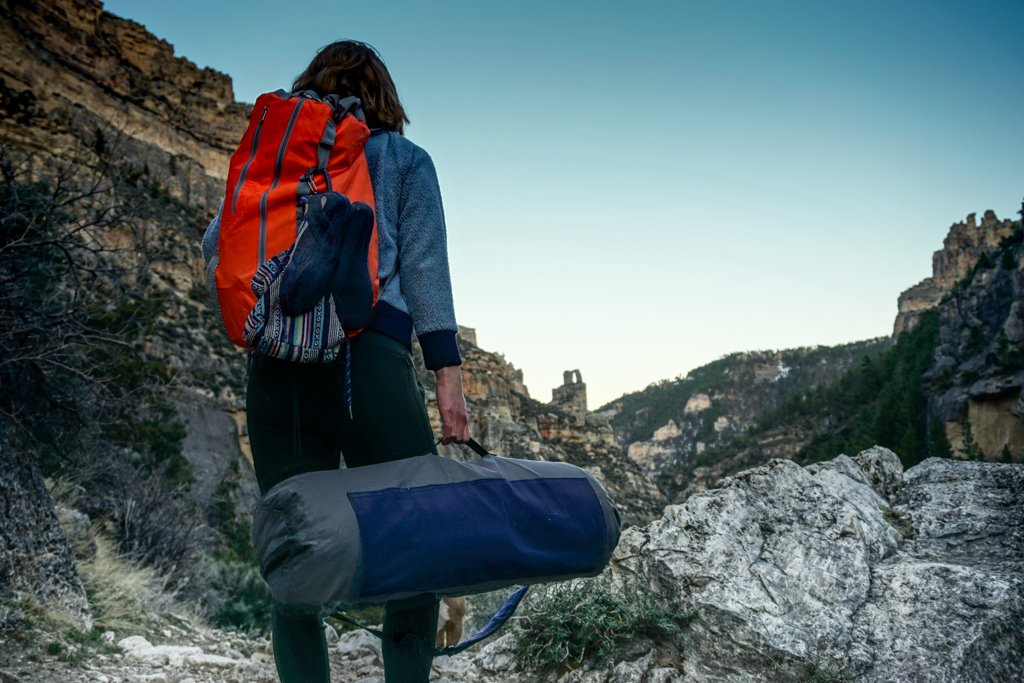
Welcome to wonderful Wyoming, an expanse of untouched, unfiltered nature where the terrain is rugged and the weather can change without warning.
Our team traveled north to Sheridan, a small town near the Wyoming-Montana border and a gateway to the Bighorn Mountains. This mighty range of sandstone, shale, and limestone offers visitors incredible hiking, camping, fishing, climbing, and plenty of room to explore.
Tongue River Canyon
We trekked into the Bighorns through Tongue River Canyon with a few local climbers. The trail is moderate, climbing gradually alongside the river as limestone walls rise dramatically on either side.
Along the way, the climbers pointed out some of their favorite routes and climbing areas. The towering limestone formations are reminiscent of the Dolomites in Italy, creating technical challenges and climbing opportunities that feel surprisingly unique for this part of Wyoming.
"It's a really unique mountain range. It's surprising to find this Dolomite-style limestone out here in Wyoming. Makes for some great climbing!"
About two miles up the canyon, the trail opens into a wide mountain meadow surrounded by the Bighorns. It's an ideal place to slow down, stretch out, and enjoy the afternoon sun before heading back down the trail.
If you're spending time around Sheridan, Tongue River Canyon is an easy addition to the itinerary and one we'd highly recommend.
Flume Walkers
The canyon has more than natural beauty. It also has a fascinating history.
In the late 1800s, logging flumes were built through the area to transport timber down the canyon. Workers known as "flume walkers" patrolled the route, watching for log jams, broken boards, fallen trees, and anything else that could bring the operation to a halt.
A telephone line ran alongside the flume, allowing walkers to connect a portable phone directly to the line and relay messages up and down the canyon.
The system moved timber remarkably fast. According to local accounts, when the route was clear, logs could travel approximately 11 miles down the canyon in less than nine minutes.
Today, it's difficult to imagine such an industrial operation running through a landscape that feels so wild and quiet. That combination of rugged scenery, outdoor recreation, and unexpected history is part of what makes the Bighorn Mountains worth exploring.